





The United States has significantly tightened its immigration policies under recent administrations, leading to a substantial increase in visa revocation numbers. The US State Department recently announced it has revoked over 100,000 visas since President Trump took office, signaling a continued commitment to stricter immigration enforcement. This move, impacting students, skilled workers, and even legal permanent residents, has sparked debate and concern regarding due process and freedom of expression. The escalating measures are reshaping the landscape of immigration to the US, and raising questions about its future.
زيادة إلغاء التأشيرات الأمريكية: نظرة على الأرقام والتداعيات
(Increased US Visa Revocations: A Look at the Numbers and Implications)
The announcement by the State Department revealed a significant jump in visa revocation figures. Initially, CNN reported 85,000 revocations in December, but the number has now surpassed 100,000, including approximately 8,000 student visas and 2,500 specialized visas held by individuals with prior encounters with US law enforcement. Officials have stated their intention to “deport these thugs to keep America safe,” framing the policy as a matter of national security. This rhetoric underscores a broader shift towards prioritizing border security and stricter immigration control.
توسيع نطاق التدقيق المستمر: مراقبة شاملة للمقيمين الأجانب
(Expanding Continuous Vetting: Comprehensive Monitoring of Foreign Residents)
Beyond simply revoking existing visas, the US government is implementing more extensive vetting procedures. The recently launched “Continuous Vetting Center” aims to review all 55 million individuals currently in the US with valid visas. This includes scrutinizing social media activity and potentially initiating deportation proceedings for any violations discovered. This initiative, while presented as a security measure, represents a significant escalation in the surveillance of legal immigrants and visitors. The concept of immigration vetting is no longer a one-time process, but a continuous evaluation.
دوافع التدقيق: الجرائم والنشاط السياسي
(Motives for Vetting: Crimes and Political Activity)
The administration cites criminal activity as a primary reason for visa revocation, specifically mentioning offenses like assault, theft, and driving under the influence. However, concerns are growing that political views are also playing a role. Several international students have reportedly had their visas revoked due to their pro-Palestinian activism on university campuses, including Ranjani Srinivasan, Rumeysa Ozturk, and Mahmoud Khalil.
This has led to accusations of violating the First Amendment rights of these students, which guarantees freedom of speech. While some have successfully fought against deportation, the chilling effect on campus discourse is undeniable. Furthermore, prospective student visa applicants are now facing increased scrutiny regarding their political beliefs.
استهداف الفئات المختلفة من المهاجرين
(Targeting Different Categories of Immigrants)
The impact of these policies extends beyond students. The administration is also planning to increase vetting of H1-B visa holders – skilled workers in specialized occupations – and re-interview refugees previously admitted under the Biden administration. The list of countries facing travel bans, or partial restrictions, has also grown to include 39 nations.
Additionally, efforts are underway to remove temporary protected status (TPS) from citizens of countries experiencing civil war or natural disasters, including Afghanistan, Syria, Haiti, Honduras, Nicaragua, Somalia, South Sudan, and Ethiopia. This move would leave vulnerable populations at risk of deportation back to unstable or dangerous situations. The tightening of regulations around skilled immigration is particularly noticeable.
تصريحات الرئيس ترامب حول تجريد الجنسية
(President Trump’s Statements Regarding Stripping Citizenship)
During a speech at the Detroit Economic Club, President Trump went further, stating that any naturalized citizen convicted of defrauding “our citizens” would have their citizenship revoked, potentially including citizens from Somalia or “anywhere else.” This statement raises serious legal questions, as the power to revoke citizenship is limited and subject to strict constitutional constraints. It also fuels anxieties within immigrant communities about their long-term security in the US.
تداعيات سياسات الهجرة المتشددة
(Implications of Strict Immigration Policies)
The consequences of these policies are far-reaching. Beyond the individual hardships faced by those affected by visa revocation and increased scrutiny, there are broader economic and social implications. The reduction in skilled workers could hinder innovation and economic growth. The climate of fear and uncertainty could discourage international students from pursuing education in the US, impacting the country’s reputation as a global center for learning.
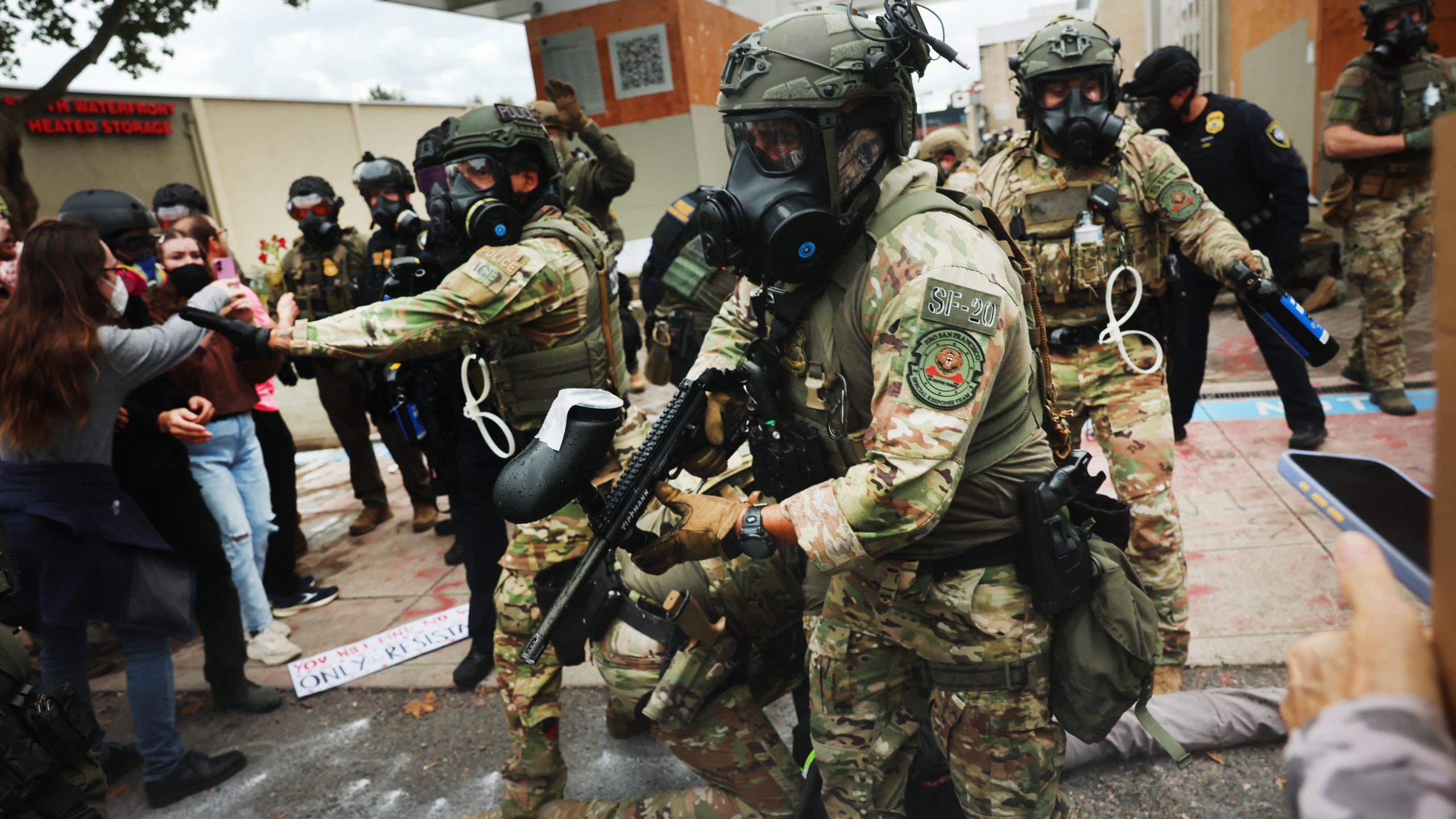
The tragic death of Renee Nicole Good, a US citizen killed during an ICE crackdown, highlights the potential for collateral damage and raises concerns about the aggressive tactics employed by immigration enforcement agencies. The overall number of people attempting to enter the US has also decreased significantly, reflecting the deterrent effect of these policies.
In conclusion, the recent surge in visa revocation numbers and the implementation of stricter vetting procedures represent a significant shift in US immigration policy. While the administration frames these measures as necessary for national security, critics argue they are discriminatory, violate fundamental rights, and ultimately harm the country’s economic and social fabric. The long-term effects of these policies remain to be seen, but they are undoubtedly reshaping the landscape of immigration to the United States. Readers are encouraged to share their thoughts and engage in a constructive dialogue about the future of immigration in the US.


