






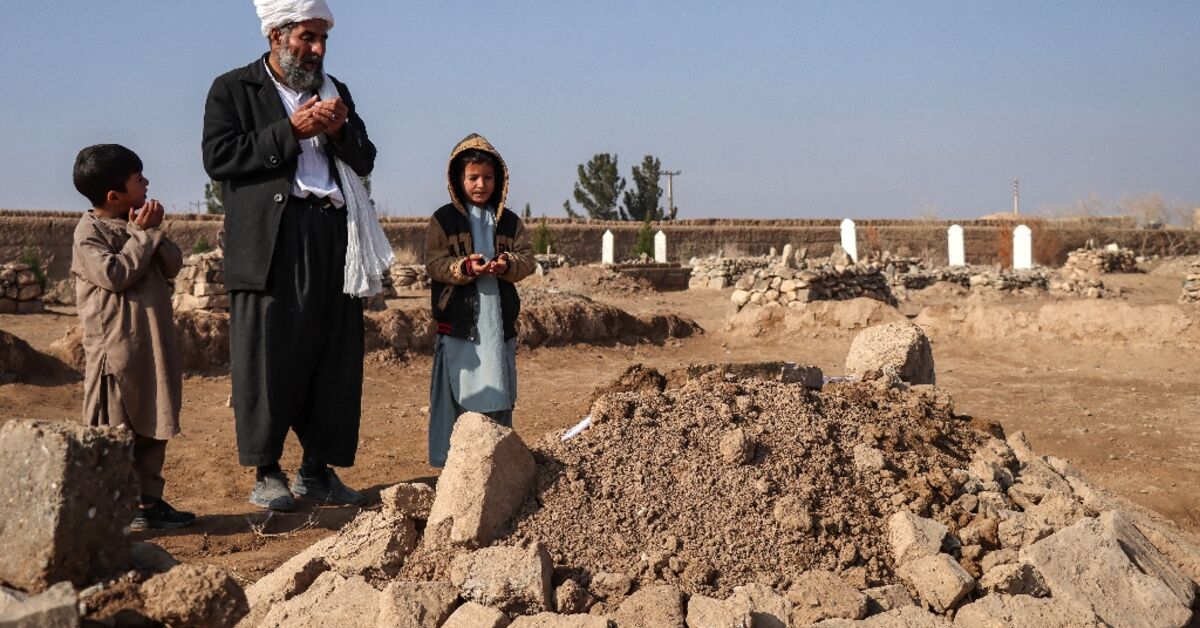
The freezing temperatures of the Afghan-Iranian border have claimed another life, a stark reminder of the desperation driving Afghans to risk everything in search of a better future. Fifteen-year-old Habibullah is the latest victim, succumbing to the cold while attempting to reach Iran, hoping to escape the crushing poverty and lack of opportunity in his homeland. His story, tragically common, underscores the escalating humanitarian crisis within Afghanistan and the perilous journeys undertaken by its citizens. The focus of this article will be on the Afghan migration to Iran and the factors fueling this dangerous trend.
The Rising Tide of Afghan Migration to Iran
The number of Afghans attempting to migrate to Iran has surged dramatically, particularly in recent months. According to the International Organization for Migration (IOM), an estimated five million Afghans have been forced to return from Iran and Pakistan since September 2023, significantly increasing pressure on Afghanistan’s already strained resources. This influx of returnees, coupled with ongoing economic hardship, has fueled a new wave of Afghans looking outwards for survival. This isn’t new, but the desperate circumstances are creating an unprecedented push factor.
The reasons behind this movement are complex and interconnected. Years of conflict, exacerbated by natural disasters like severe drought and devastating earthquakes, have left a significant portion of the population facing dire conditions. A recent United Nations assessment reports that roughly half of Afghanistan’s population requires humanitarian assistance this year. Opportunities within Afghanistan are dwindling rapidly.
Habibullah’s Story: A Tragedy of Desperation
Habibullah’s fate is a heartbreaking illustration of the lengths families will go to in the face of extreme poverty. His mother, Mah Jan, shared with AFP the agonizing reality that prompted her son’s journey. “He was forced to go, to bring food for the family,” she said, her voice heavy with grief. Life in their mud home in Ghunjan village is a daily struggle for basic necessities. They lack consistent access to electricity, clean water, and even adequate shelter from the elements.
“We have no food to eat, we have no clothes to wear. The house in which I live has no electricity, no water. I have no proper window, nothing to burn for heating,” Mah Jan added, clutching a photograph of her son. Habibullah had tirelessly sought work within his village, trying his hand at shoe polishing, earning a meager 15 afghanis (approximately 23 cents) a day. He even offered his services as a shepherd for a paltry 2,000 afghanis ($30 a month), but to no avail.
His stepbrother, Gul Ahmad, recounted Habibullah’s final words: “Let’s trust in God, I’m going to Iran.” This simple statement encapsulates the hope and faith that drove him into the treacherous mountains.
The Perils of the Border Crossing
The journey to Iran is notoriously dangerous. Migrants often traverse extremely rugged mountainous terrain, facing freezing temperatures, the risk of getting lost, and the constant threat of exploitation by human traffickers. Last month alone, at least 18 migrants perished while attempting the illegal crossing from Afghanistan’s Herat province, when temperatures plummeted to around -3°C.
Iranian border guards have reported rescuing around 1,600 Afghan migrants “at risk of perishing due to the weather” in a matter of days. While these rescue efforts offer a glimmer of hope, they are a response to a preventable crisis. The allure of Iran lies in the perception of greater job opportunities and the shared language, but legitimate pathways for migration are severely limited. This forces vulnerable individuals like Habibullah to rely on smugglers and risk their lives attempting illegal border crossings. The issue of human trafficking is a significant concern, adding another layer of danger to these journeys.
Efforts and Challenges in Addressing the Crisis
The Afghan government acknowledges the scale of the problem. Abdul Manan Omari, the deputy minister for labour and social affairs, stated, “it was necessary to do more” to facilitate work permits for Afghan migrants. However, practical implementation remains a huge challenge.
The Taliban government insists it is actively combating human trafficking networks. Abdul Mateen Qani, a spokesperson for the interior ministry, noted the recent arrest of 347 individuals attempting illegal border crossings. But enforcing border security alone does not address the root causes of migration – the widespread poverty and lack of opportunities that push people to take such desperate measures. The need for economic support in Afghanistan is paramount.
The story of Abdul Majeed Haidari, a father desperately trying to fund his son’s heart medication, exemplifies this desperation. He joined a group of migrants in mid-December, relying on the cover of rain to evade border patrols. Like many others, his group became separated from their smuggler, and faced the brutal reality of the cold with no means of making a fire. He witnessed his brother-in-law succumb to the elements, a fate that was only narrowly avoided thanks to the kindness of a passing Iranian family.
A Call for Urgent Action
Habibullah’s death is not an isolated incident, but a symptom of a much larger, deeply concerning crisis. The unrelenting economic hardship, compounded by natural disasters and political instability, continues to drive Afghans to risk their lives in search of a better future. Addressing this situation requires a multi-pronged approach, including increased humanitarian aid to Afghanistan, efforts to create sustainable economic opportunities within the country, and a review of migration policies to provide safe and legal pathways for those seeking work or refuge.
Without swift and decisive action, more families will be left mourning the loss of loved ones who, like Habibullah, were simply trying to survive. The international community must prioritize the needs of the Afghan people and work towards a long-term solution that addresses the underlying causes of this tragic and growing wave of migration.


