






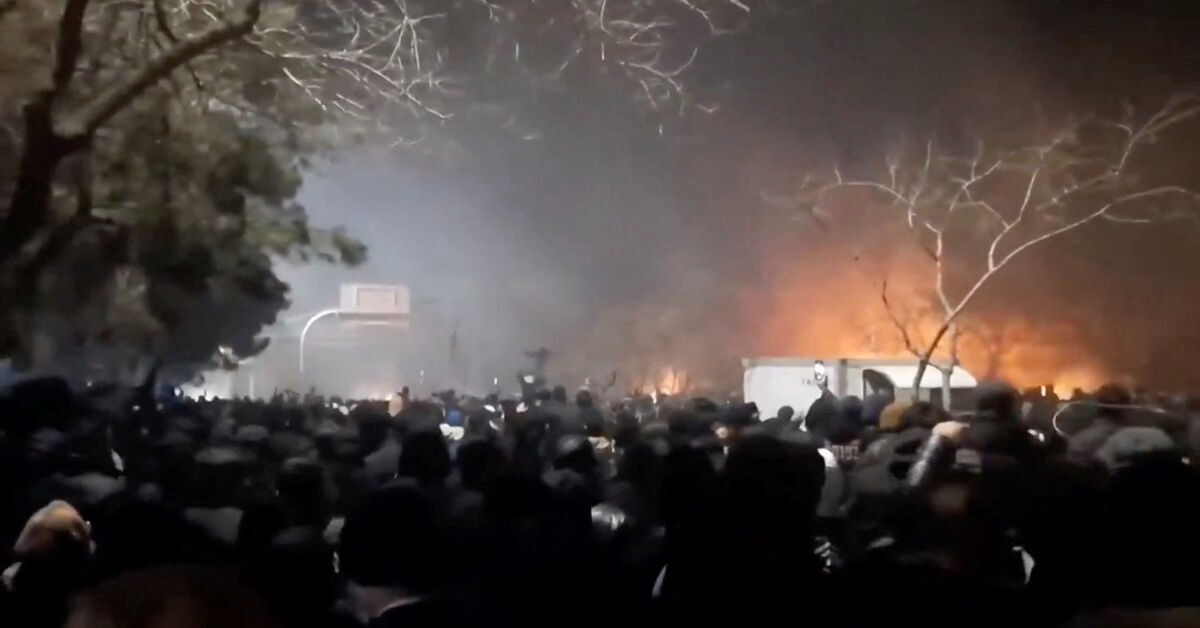
The recent surge in unrest across Iran has escalated into a critical situation, marked by a significant death toll and escalating tensions with the international community. Reports indicate that over 500 people have lost their lives in the protests, sparked initially by economic grievances but rapidly evolving into a broader challenge to the Islamic Republic’s governance. The situation is further complicated by threats from Tehran against the United States and its allies, particularly Israel, should direct intervention occur in support of the demonstrators. Understanding the complexities of this Iran protests is crucial for analyzing regional stability and potential future conflicts.
Origins and Escalation of the Unrest
The demonstrations initially erupted on December 28th in response to soaring prices and the deteriorating economic conditions faced by the Iranian population. These economic frustrations quickly broadened into widespread discontent directed at the country’s clerical rulers, who have been in power since the 1979 Islamic Revolution. This marks some of the largest and most sustained protests seen in Iran since 2022, signaling a potentially watershed moment.
The demonstrations quickly spread across numerous cities, with protesters voicing demands for greater political and social freedoms, and an end to restrictive policies. Authorities responded initially with attempts to quell the disturbances, but the protests continued to gain momentum, fueled by social media and a growing sense of desperation among the population. The scale of the protests and the depth of public anger have clearly taken the establishment by surprise.
Mounting Death Toll and Arrests
According to figures released by the U.S.-based rights group HRANA, the Iran unrest has resulted in the verified deaths of 490 protesters and 48 security personnel. This number, while not officially confirmed by the Iranian government, paints a grim picture of the violence on the ground. HRANA also reports that more than 10,600 people have been arrested in the two weeks of unrest.
The lack of transparency from Iranian authorities regarding the number of casualties and arrests has raised concerns among international organizations. The reports from activists and rights groups, combined with verified footage emerging from the country, suggest a very serious human rights situation. The use of live ammunition against protesters, as documented in several videos, is particularly worrying.
Threats of Retaliation and Regional Implications
Amidst the escalating crisis, Iranian officials have issued stern warnings to the United States. Mohammad Baqer Qalibaf, the Speaker of the Iranian Parliament, warned Washington against any “miscalculation,” explicitly stating that in the event of an attack on Iran, “occupied territories” (referring to Israel) as well as all U.S. military bases and ships in the region would be considered legitimate targets. This ultimatum represents a significant escalation in rhetoric and a direct threat to regional security.
This situation adds another layer of complexity to an already volatile region. Israel has been closely monitoring developments and has declared a high level of alert, preparing for potential U.S. intervention or direct repercussions from Iran. Given the history of conflict between Israel and Iran, including a 12-day war in 2023 and Iranian-backed attacks on Israel through proxies, the possibility of a wider regional conflict is a serious concern. Specifically, the possibility of Iranian retaliation against Israel looms large.
International Response and Potential Intervention
Former President Trump has repeatedly threatened to intervene on behalf of the protesters, fueling the tensions. His officials are reportedly preparing a range of options, including military strikes, the deployment of secret cyber weapons, the expansion of existing sanctions, and providing online support to anti-government movements.
However, there is debate within the U.S. political landscape regarding the wisdom of military intervention. Some lawmakers worry that such action could backfire, potentially rallying the Iranian population against the United States and providing the regime with a pretext for further repression. Others, like Senator Lindsey Graham, advocate for a more assertive approach, even calling for the elimination of Iranian leadership responsible for the violence.
Internal Dynamics and the Opposition
The Iranian government accuses the United States and Israel of orchestrating the unrest, claiming they are fueling “terrorist actions” within the country. They have called for a nationwide rally to condemn what they portray as foreign interference. However, many observers believe that the protests are primarily driven by deep-seated domestic grievances.
The opposition movement remains fragmented, but prominent figures like Reza Pahlavi, the exiled son of Iran’s last shah, and Maryam Rajavi, president-elect of the National Council of Resistance of Iran, have voiced their support for the protests and urged continued defiance of the regime. While their ability to organize and mobilize effectively is limited, their voices resonate with many Iranians seeking change. Furthermore, the current situation, while exposing weakness, hasn’t led to a unified Iranian opposition.
Conclusion
The Iran protests represent a profound challenge to the established order. The high death toll, widespread arrests, and escalating rhetoric underscore the gravity of the situation. While the immediate outcome remains uncertain, it’s clear that Iran is facing a critical juncture. The international community needs to carefully consider its response to avoid further escalation and to ensure the protection of human rights. Continued monitoring of developments, coupled with a nuanced understanding of the underlying dynamics, will be essential for navigating this complex and dangerous crisis. The situation demands a vigilant approach and a sustained commitment to finding a peaceful resolution that respects the aspirations of the Iranian people.


