






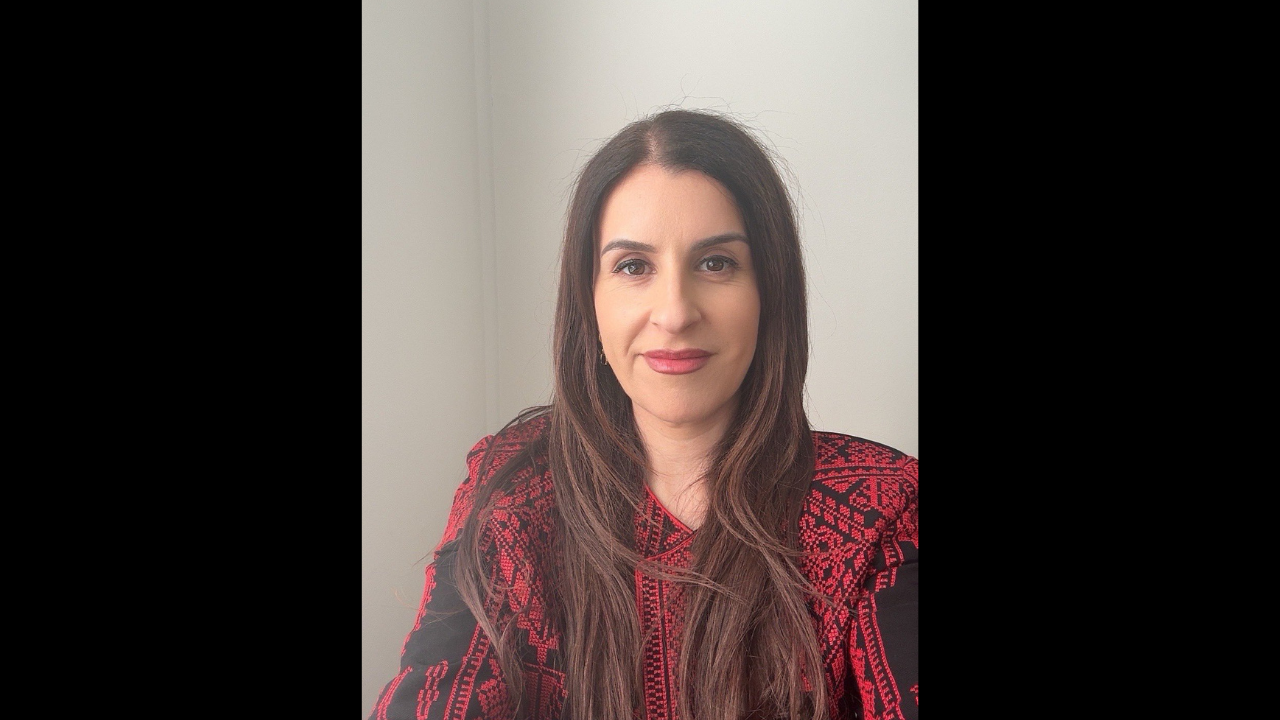
The Adelaide Festival, one of Australia’s most prestigious cultural events, is currently embroiled in controversy after its organizers cancelled the appearance of Palestinian-Australian author and scholar Dr. Randa Abdel-Fattah, citing concerns about “cultural sensitivity” following the tragic attack at Bondi Beach. This decision has sparked widespread outrage, accusations of racism, and escalating calls for a boycott of the festival. The cancellation directly impacts the festival’s reputation and raises vital questions about freedom of speech and the responsibility of cultural institutions in navigating sensitive geopolitical issues.
Background: The Cancellation and Initial Reaction
The Adelaide Festival board announced on Thursday its decision to rescind the invitation for Dr. Abdel-Fattah to participate in the upcoming Writer’s Week. The statement explicitly linked this decision to the December attack on a Hanukkah celebration that claimed the lives of 15 people. However, the board was quick to clarify that the cancellation wasn’t based on any connection between Dr. Abdel-Fattah and the Bondi tragedy itself, but rather on “her past statements.” This justification has done little to quell the growing criticism, instead fueling arguments that the decision is a preemptive silencing of a Palestinian voice.
Dr. Abdel-Fattah vehemently countered the board’s rationale in a post on X (formerly Twitter), denouncing the move as “a blatant and shameless act of anti-Palestinian racism.” She argued that her very presence, as a Palestinian, was being framed as “culturally insensitive” and potentially triggering for those mourning the Bondi attack, thus effectively barring her from participation in cultural discourse simply due to her heritage.
A Wave of Protest and Writer Withdrawals
The decision to cancel Dr. Abdel-Fattah’s appearance has triggered a significant backlash within Australia’s literary community. At least eleven authors have already withdrawn their participation from the festival in protest. Prominent writer Jane Caro publicly stated the situation represents “authoritarianism rising” and explained her refusal to participate in what she described as the festival’s “censoring [of] ideas it does not like.”
Poet Evelyn Araluen similarly condemned the move, pointing out that “removing Palestinians from writers’ festivals won’t prevent antisemitism.” She characterized the cancellation as “another absurd and irrational capitulation to the demands of a genocidal foreign state.” This highlights a crucial point: the protest isn’t merely about a single author being silenced, but about a broader pattern of suppressing Palestinian voices in the face of political pressure.
Institutional Responses and Expanding Boycott Calls
The controversy extends beyond individual authors. The Australia Institute, an independent think tank that was set to sponsor events at the festival, has withdrawn its support, stating that “censoring and cancelling authors is not in the spirit of an open and free exchange of ideas.” This withdrawal significantly impacts the festival’s credibility and demonstrates a growing unwillingness among organizations to be associated with the perceived censorship.
Further amplifying the protest, journalists and activists have taken to social media to rally support. Mary Kostakidis warned of a “boycott by artists and audiences”, while Fahad Ali directly called for a “boycott” of the “@adelaidefest” and urged those presenting or attending to withdraw or request refunds, stating those who continue to engage are implicitly supporting the cancellation of Arabs. The hashtag #BoycottAdelaideFestival is gaining traction, reflecting the widespread dissatisfaction with the festival’s decision.
Dr. Randa Abdel-Fattah: A Profile of the Targeted Author
Dr. Randa Abdel-Fattah is a highly respected figure in Australian academia and literature. She is a fellow at Macquarie University in Sydney, with a background in law, transitioning to scholarship and writing. Beyond her academic publications, she has authored several award-winning novels and a children’s picture book, making her work accessible to a broader audience.
Her research and writing frequently tackles complex issues such as Islamophobia, the Palestinian struggle, the impact of the “war on terror,” and the identities of young people in contemporary society. This engagement with politically charged topics, particularly her advocacy for Palestinian rights, appears to be the core reason for the festival’s decision.
Interestingly, this isn’t the first instance of attempts to silence Dr. Abdel-Fattah. In 2025, she was among 50 authors who boycotted the Bendigo Writers Festival after concerns arose regarding a last-minute change to its code of conduct that incorporated a contested definition of antisemitism. This history underscores the escalating efforts to stifle pro-Palestinian voices within Australian cultural spaces.
The Issue of “Cultural Sensitivity” and its Implications
The Adelaide Festival’s rationale of “cultural sensitivity” has been extensively scrutinized. Critics argue that conflating legitimate criticism of Israeli policies with antisemitism, or suggesting that a Palestinian voice is inherently insensitive in the wake of a tragedy, perpetuates harmful stereotypes and closes down space for crucial dialogue. The implication that discussing Palestine in any context risks re-traumatizing those grieving the Bondi attack overlooks the complex dynamics at play and potentially silences important perspectives. The issue of cultural sensitivity in this context is deeply problematic, as it appears to be selectively applied and used to justify censorship.
This incident raises broader questions about the limits of free speech within cultural institutions and the ethical implications of yielding to external pressures. It’s become clear that concerns around Palestinian representation are impacting artistic freedoms.
The Adelaide Festival has, as of publication, not responded to requests for comment. However, the ongoing protests and widening boycott threaten to significantly damage the festival’s reputation and underscore the urgent need for a transparent and just resolution. The future of the festival, and its commitment to fostering an inclusive and intellectually vibrant environment, hinges on its response to this critical challenge. The debate highlights the importance of defending the right to express diverse viewpoints, even – and especially – on contentious issues.


