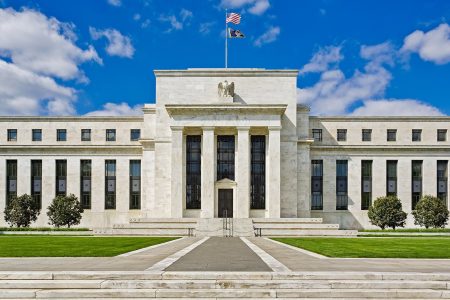


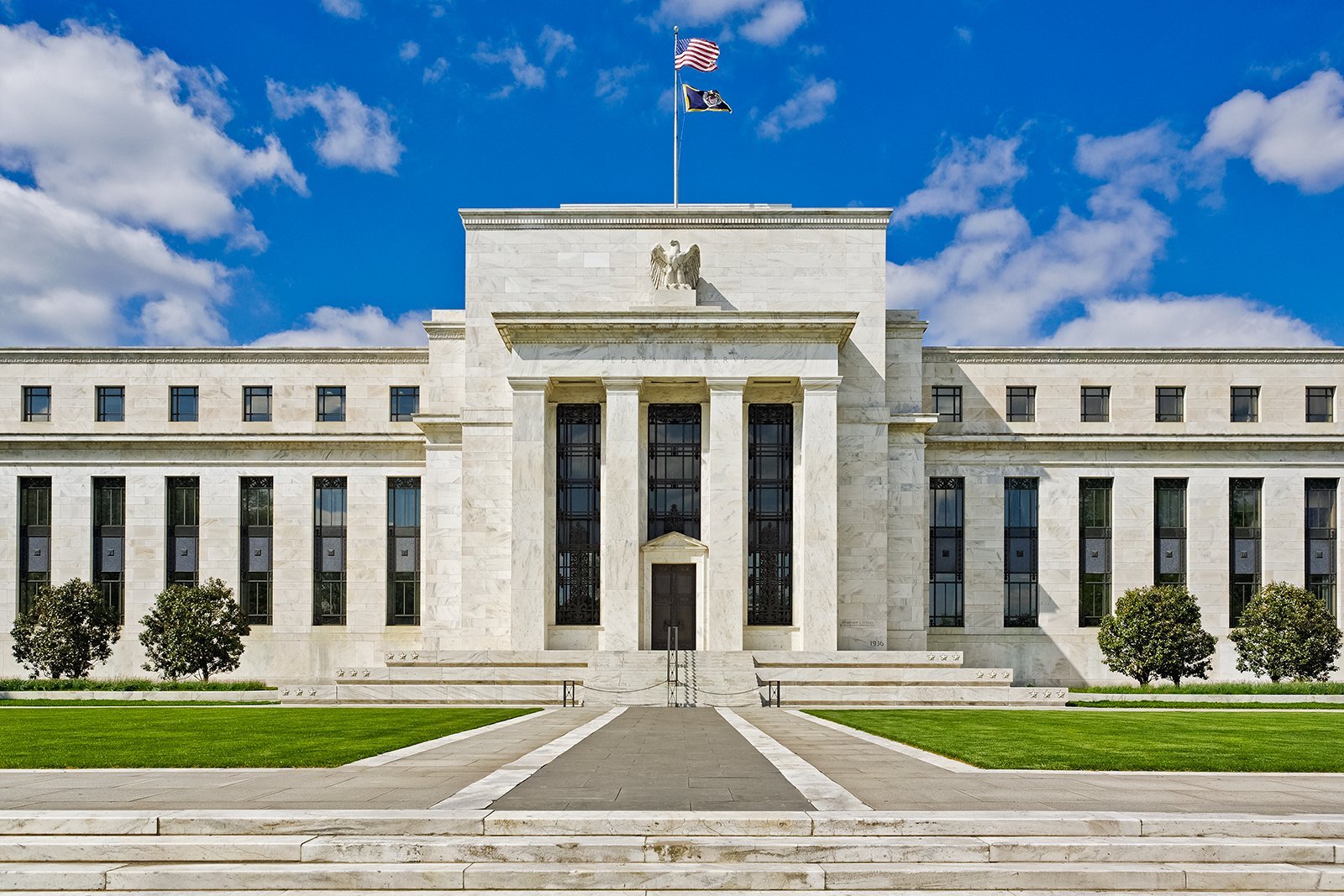
The global financial markets hang on every word uttered by the Federal Reserve, and understanding who holds the voting power within the Federal Open Market Committee (FOMC) is crucial for any trader or investor. In 2026, a new configuration of voters will take shape, potentially shifting the direction of monetary policy. This article delves into the individuals who will be shaping interest rates and economic outlook in 2026, and why monitoring their statements is vital for navigating the markets. Keeping a close watch on the Federal Reserve voters is paramount to anticipating market movements.
نظرة على لجنة السوق المفتوحة الفيدرالية (FOMC) لعام 2026
The FOMC is the body within the Federal Reserve System responsible for setting monetary policy. It comprises the seven members of the Board of Governors, the president of the Federal Reserve Bank of New York, and four other Reserve Bank presidents, who rotate their voting rights. Understanding this structure is the first step in deciphering the potential influences on future decisions. The composition of this committee, and specifically the views of the Federal Reserve voters, can significantly impact asset prices, currency valuations, and overall economic conditions.
من هم المصوتون الدائمون في الفيدرالي؟
Certain positions within the Federal Reserve system carry permanent voting rights. These individuals form a consistent core within the FOMC and their perspectives are particularly important.
- Jerome Powell (الرئيس جيروم باول): The current Chair, his future beyond May 2026 is a major point of speculation. A second term under a potentially different administration could lead to a drastically altered policy approach.
- NY Fed’s Williams (ويليامز، رئيس بنك نيويورك الفيدرالي): As the Vice-Chair of the FOMC, Williams is a key “centrist” voice, often bridging the gap between more hawkish and dovish viewpoints.
- Board of Governors (مجلس المحافظين): This includes Philip Jefferson, Michael Barr, Michelle Bowman, and Christopher Waller. These governors represent a broad range of economic thought and contribute significantly to the FOMC’s deliberations.
- Fed’s Miran (ميران، الفيدرالي): Replacing Adriana Kugler, Miran currently holds a temporary mandate. The possibility of Powell filling this seat upon the end of his term is a factor to consider.
- Fed’s Lisa Cook (ليزا كوك، الفيدرالي): While still on the Board, Lisa Cook’s participation in FOMC meetings is currently restricted due to ongoing legal proceedings.
من سيصوت في عام 2026؟ التركيز على التحيزات
Four regional Federal Reserve Bank presidents will join the permanent voters in 2026. Identifying their established biases – whether hawkish (favoring higher interest rates to combat inflation) or dovish (preferring lower interest rates to stimulate economic growth) – is crucial.
- Dallas Fed’s Logan (لوغان، بنك دالاس الفيدرالي): Known for a decidedly hawkish stance.
- Cleveland Fed’s Hammack (هاماك، بنك كليفلاند الفيدرالي): Generally considered neutral.
- Minneapolis Fed’s Kashkari (كاشكاري، بنك مينيابوليس الفيدرالي): Typically neutral, but with a tendency to lean towards hawkish views.
- Philly Fed’s Paulson (بولسون، بنك فيلادلفيا الفيدرالي): A more dovish voice.
It’s important to remember that these biases aren’t fixed. A dovish member expressing hawkish concerns, or vice versa, can have an amplified effect on market expectations. Monitoring speeches and commentary from these individuals is therefore essential.
تأثير تصريحات الفيدرالي على الأسواق
Recent examples demonstrate the power of Fed speakers to move markets. Governor Waller’s hints at a potential dovish shift towards the end of 2025, followed by Chair Powell’s more explicit dovish signals at Jackson Hole, signaled a change in course. More recently, comments from NY Fed President Williams dramatically shifted market pricing for interest rate cuts, increasing the probability from 20% to 90% and ultimately leading to a rate cut. This highlights the importance of staying informed about the views of the Federal Reserve voters.
من سيكون رئيس الفيدرالي القادم؟
Perhaps the biggest uncertainty surrounding the 2026 FOMC is the appointment of the next Chair. The current political climate adds another layer of complexity. President Trump has publicly expressed a desire for lower interest rates and a strong stock market.
Current speculation centers around two potential candidates:
- Kevin Hassett: While considered a potential contender, he lacks strong support from Wall Street.
- Kevin Warsh: Gaining traction as a more likely choice, Warsh served as a Fed Governor from 2006 to 2011 and is seen as a potentially dovish candidate with established credentials.
The final decision rests with the President, but requires Senate confirmation. This process is expected to conclude by the end of January 2026. The choice of the next Chair will undoubtedly be a key driver of market sentiment.
الخلاصة: البقاء على اطلاع دائم
The composition of the Federal Reserve voters in 2026 will be a critical factor shaping the future of monetary policy. Understanding the individual biases of these members, and closely monitoring their public statements, is essential for traders and investors seeking to anticipate market movements and capitalize on potential opportunities. The appointment of the next Fed Chair adds another layer of uncertainty, making proactive monitoring even more important. Stay informed, analyze the signals, and trade safely.