


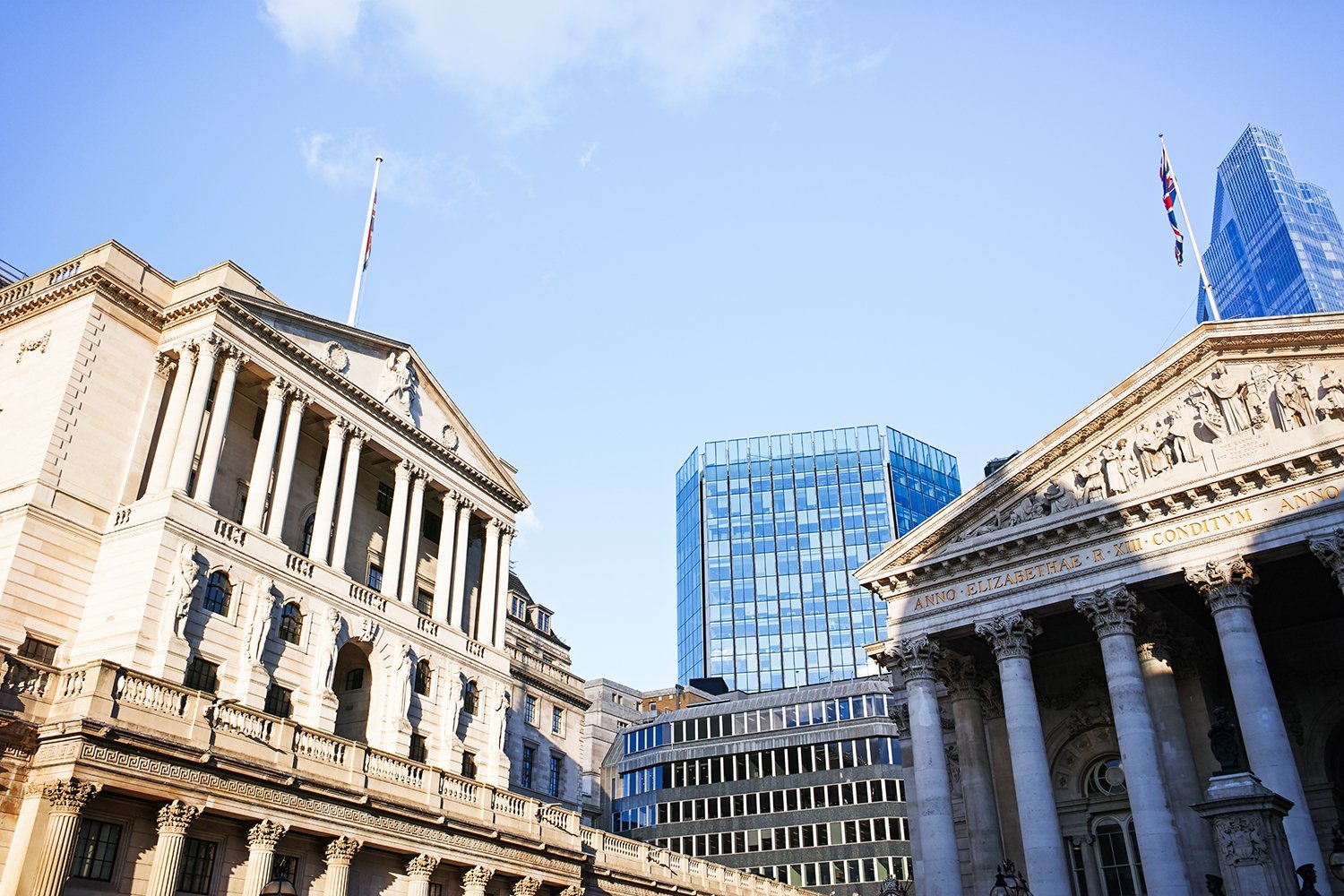
The final Monetary Policy Committee (MPC) meeting of the Bank of England (BoE) in 2025, scheduled for December 18th, is poised to deliver a significant decision amidst widespread anticipation of an interest rate cut. Financial markets have largely priced in a reduction, driven by a weakening UK economy and increasingly clear signals of declining inflation. However, the path forward isn’t straightforward, and the nuances of the decision – particularly the vote split and accompanying forward guidance – will be crucial in shaping market reactions and the economic outlook for 2026.
Anticipation of a December Interest Rate Cut
The overwhelming consensus amongst analysts and traders points towards a 25 basis point (bp) reduction in the Bank Rate, bringing it down from 4.00% to 3.75%. This would represent the fourth rate cut of the year, signaling a definitive shift in the BoE’s monetary policy. The move follows November’s hold, where Governor Andrew Bailey emphasized the need for further evidence of sustained disinflation before committing to easing.
The current economic climate provides compelling justification for a rate reduction. October saw a contraction in UK GDP of 0.1%, a disappointing result that confirms the sluggish economic performance experienced throughout the latter half of 2025. Forecasts suggest this weakness will persist well into the next year, necessitating proactive measures from the central bank.
Supporting Data: Inflation and the Labour Market
Several key economic indicators support the case for lower interest rates. Headline Consumer Price Index (CPI) has fallen to 3.6%, aligning with the BoE’s projections. This demonstrates that the aggressive tightening cycle implemented over the past two years is finally beginning to bear fruit in curbing inflationary pressures.
Furthermore, the labour market is showing signs of softening. Unemployment has risen to 5%, hiring activity is slowing, and crucially, wage growth – a key driver of underlying inflation – is decelerating towards more sustainable levels. This combination of factors provides the BoE with the space to begin easing monetary policy without risking a resurgence in inflation.
A Close Vote and the Potential for “Hawkish Cut”
Despite the strong arguments for a rate cut, the decision within the MPC is expected to be far from unanimous. Predictions suggest a tight 5-to-4 vote, with Governor Bailey likely casting the deciding ballot. This sharp division underscores the complexity of the current economic situation and the differing views on the appropriate policy response.
Given the split, a “hawkish cut” appears to be the most probable outcome. This scenario involves delivering the anticipated 25bp reduction to provide some support to the struggling economy, but simultaneously issuing cautious forward guidance. The message would be one of adjusting the level of monetary restriction, rather than aggressively stimulating growth. The BoE will likely emphasize that future cuts are data-dependent, particularly concerning services inflation, to avoid fueling expectations of a rapid easing cycle that could weaken the Pound.
Market Implications: Sterling, Gilts, and Equities
The market has largely priced in a rate cut, but the specific details of the announcement will dictate the direction of asset prices.
Sterling (GBP) Outlook
The Pound is currently navigating a delicate position, influenced by the contrast between the UK’s economic stagnation and the relative strength of the US economy. GBP/USD (Cable) is trading around 1.3360-1.3400, supported by a weaker US Dollar. A “dovish cut” – a cut accompanied by signals of further rapid easing – could see GBP/USD fall below the 1.3280 support level. Conversely, a “hawkish cut” could push the pair towards resistance at 1.3420-1.3500. The medium-term outlook for Sterling remains negative, given the weak growth fundamentals and its sensitivity to risk aversion.
Gilt Markets (Government Bonds)
The Gilt market is expected to experience a “bull steepening” of the yield curve. Yields on short-dated Gilts (2-year) are likely to fall as they adjust to the lower Bank Rate. Longer-dated yields (10-year) are also projected to decline, with Goldman Sachs forecasting a fall to 4.25% by year-end and 4.00% by the end of 2026. However, concerns surrounding the UK’s fiscal deficit may limit the extent of the decline in long-term yields.
FTSE 100
The impact on the FTSE 100 is more nuanced. Lower interest rates generally benefit equities, but a stronger Pound – a potential outcome of a “hawkish cut” – could negatively affect the earnings of large-cap exporters. Conversely, a weaker Pound would likely provide a boost to the FTSE 100.
Challenges and Risks Facing the Bank of England in 2026
The BoE faces a challenging “trilemma” in 2026: navigating the risks of recession, resurgent inflation, and corporate bankruptcies.
- Risk of Recession: Delaying rate cuts could exacerbate the economic slowdown, potentially leading to a recession and a sharp rise in unemployment.
- Risk of Inflation Return: Cutting rates too aggressively, especially in the context of increased government spending, could reignite inflationary pressures.
- Risk of Corporate Insolvency: Higher interest rates could make it difficult for businesses to refinance their debts, potentially triggering a wave of bankruptcies.
Final Thoughts: Managing the Stagflation Exit
Market participants should prepare for a rate cut delivered with a distinctly “hawkish” tone. The BoE will likely cut rates, but will refrain from providing any firm commitments regarding the pace of future easing. This creates a complex environment for Sterling, and its direction will likely remain uncertain until the 2026 inflation data provides greater clarity. The era of 4% interest rates is drawing to a close, and the central bank is now focused on carefully managing the “stagflation exit” – a delicate balancing act between supporting growth and controlling inflation.